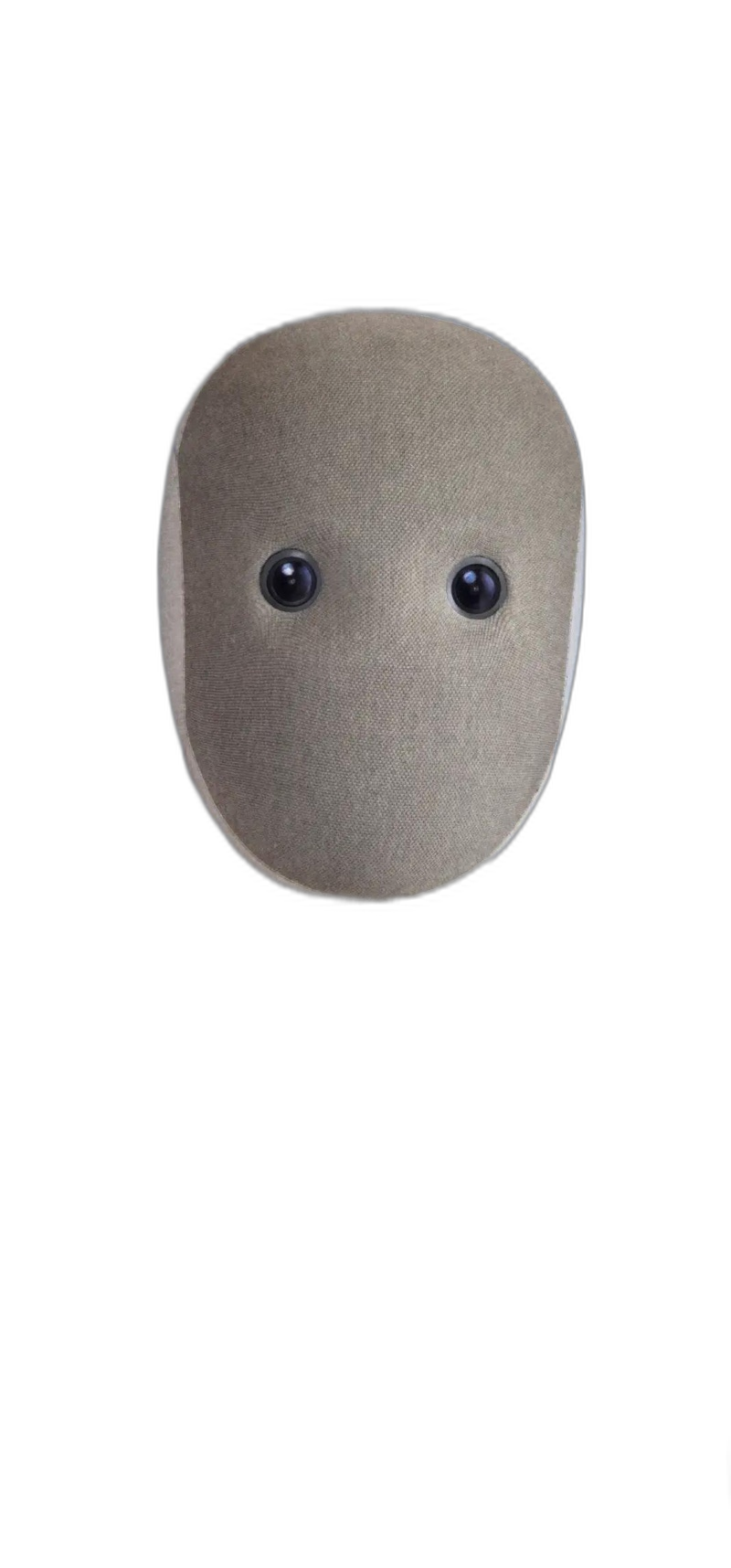
Clone Alpha
Clone Robotics' Clone Alpha is a biomimetic humanoid robot that replicates human anatomy using 206 artificial bones and water-powered Myofiber artificial muscles. The upper body alone features 164 degrees of freedom, including 26 in each hand-wrist-elbow assembly. The Myofiber muscles contract in un...
Capability Assessment
Humanoid Index Assessment — scores derived from published specifications and deployment data.
See Clone Alpha In Action
Video coming soon
Want the full picture?
This robot is one of 30+ manufacturers in our free 2026 Landscape Report. Full market map, specs comparison, and pricing data.
Download Free Report →
Specifications
| Height | 5'7" (170 cm) |
| Weight | ~60 kg |
| Degrees of Freedom | 164 (upper body) |
| DOF (Hands) | 26 per hand/wrist/elbow |
| Fingers | 10 (biomimetic) |
| Gait Type | Bipedal (in development) |
| Sensors | 182 sensors: 70 inertial, 320 pressure, 4 depth cameras |
| Motor Type | Hydraulic Myofiber artificial muscles (water-powered) |
| AI Integration | NVIDIA Jetson Thor, Cybernet visuomotor AI |
| Software / OS | Proprietary (Cybernet platform) |
| Materials | Polymer skeleton (206 artificial bones) |
Specs vs Field Average
How Clone Alpha compares to the average across all indexed robots (normalized 0-10 scale)
About Clone Alpha
Clone Robotics' Clone Alpha is a biomimetic humanoid robot that replicates human anatomy using 206 artificial bones and water-powered Myofiber artificial muscles. The upper body alone features 164 degrees of freedom, including 26 in each hand-wrist-elbow assembly. The Myofiber muscles contract in under 50 milliseconds and generate up to one kilogram of force per three-gram fiber, powered by a compact 500-watt hydraulic pump. Standing 170 cm tall, Clone Alpha incorporates 182 sensors including 70 inertial sensors, 320 pressure sensors, and 4 depth cameras. An NVIDIA Jetson Thor GPU runs Clone's proprietary Cybernet visuomotor AI model. Clone Robotics, based in Poland, takes a fundamentally different approach from electric-motor humanoids by mimicking biological musculature, theoretically enabling more natural movement at human-like energy efficiency.
Made by Clone Robotics
Clone Alpha — musculoskeletal humanoid. Biomimetic approach using artificial muscles.
Use Cases
Compare This Robot
Other bipedal robots you can compare