Punyo
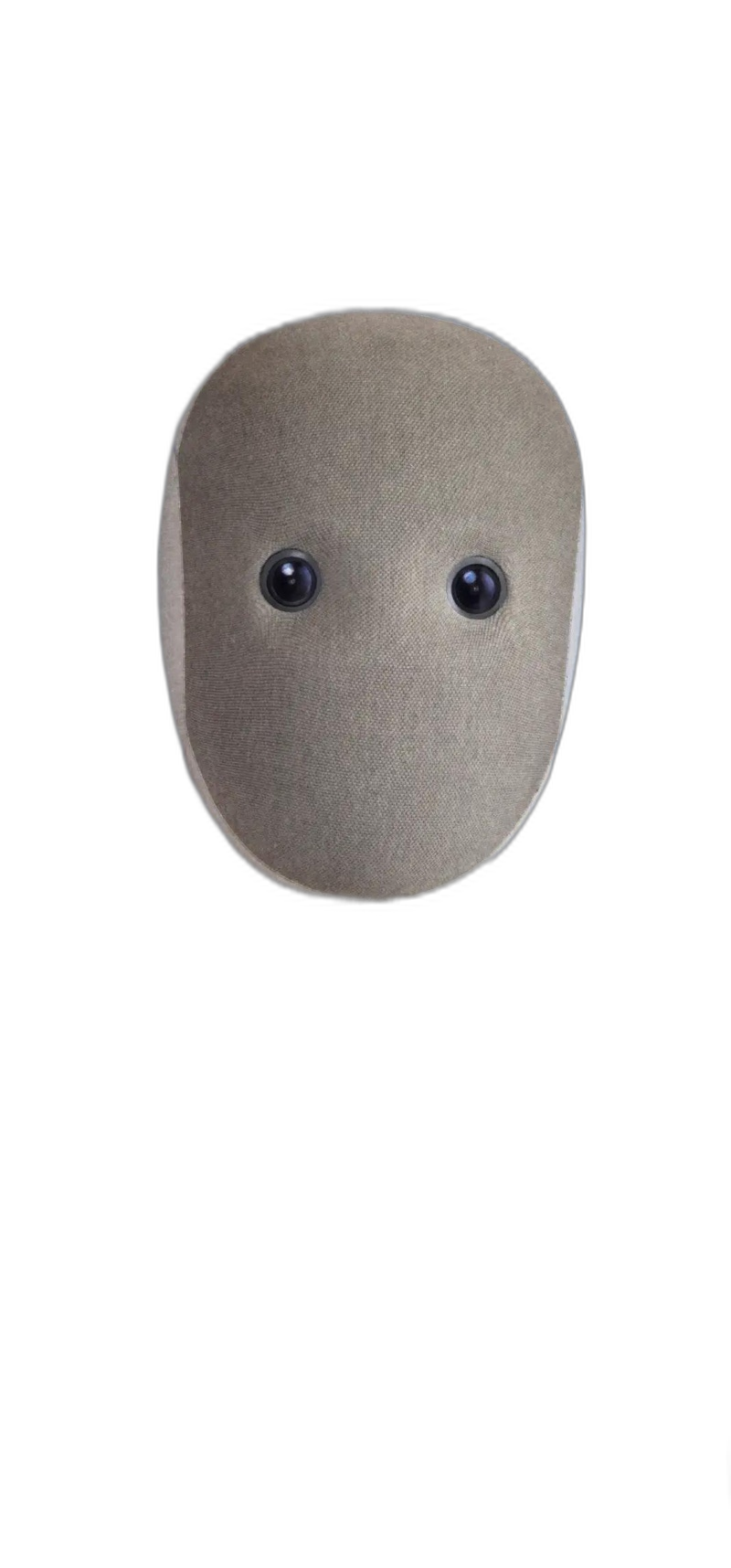
Toyota Research Institute's Punyo is a soft humanoid research platform designed for whole-body manipulation of bulky household objects. The torso-up robot stands approximately 91 cm tall and features two industrial robot arms covered in compliant materials and air-filled tactile bladders. Thirteen i...
Capability Assessment
Humanoid Index Assessment — scores derived from published specifications and deployment data.
See Punyo In Action
Video coming soon
Want the full picture?
This robot is one of 30+ manufacturers in our free 2026 Landscape Report. Full market map, specs comparison, and pricing data.
Download Free Report →
Specifications
| Height | ~3'0" (91 cm, torso-up) |
| Degrees of Freedom | 2 industrial arms + waist |
| Payload Capacity | Bulky household objects |
| Fingers | 2 paw-style end effectors |
| Gait Type | Stationary (mounted torso) |
| Sensors | 26 air-filled tactile bladders, internal cameras (dot-pattern tracking) |
| Motor Type | Industrial robot arms + pneumatic bladders |
| AI Integration | TRI diffusion policy learning |
| Software / OS | ROS (Toyota Research Institute) |
Specs vs Field Average
How Punyo compares to the average across all indexed robots (normalized 0-10 scale)
About Punyo
Toyota Research Institute's Punyo is a soft humanoid research platform designed for whole-body manipulation of bulky household objects. The torso-up robot stands approximately 91 cm tall and features two industrial robot arms covered in compliant materials and air-filled tactile bladders. Thirteen individually pressurizable bubbles on each arm add compliance and variable stiffness, each connected to a pressure sensor for contact force detection. The hands terminate in paw-like end effectors with internal cameras that track dot-pattern deformation to estimate applied forces. Punyo addresses a gap in robotics research by focusing on large, heavy, and unwieldy items that require coordinated arm-and-body contact. TRI uses diffusion policy learning to train Punyo behaviors.
Made by Toyota Research Institute
T-HR3 and Punyo robots. Toyota's $1B+ robotics R&D arm. Focus on home assistance.
Use Cases
Compare This Robot
Other bipedal robots you can compare